

Urban Soil Health Takes Center Stage on World Soil Day 2025

ICAR rebuts allegations of bias in evaluation of gene-edited trials
November 29, 2025
Tripura considers dedicated auction centre for pineapples
December 5, 2025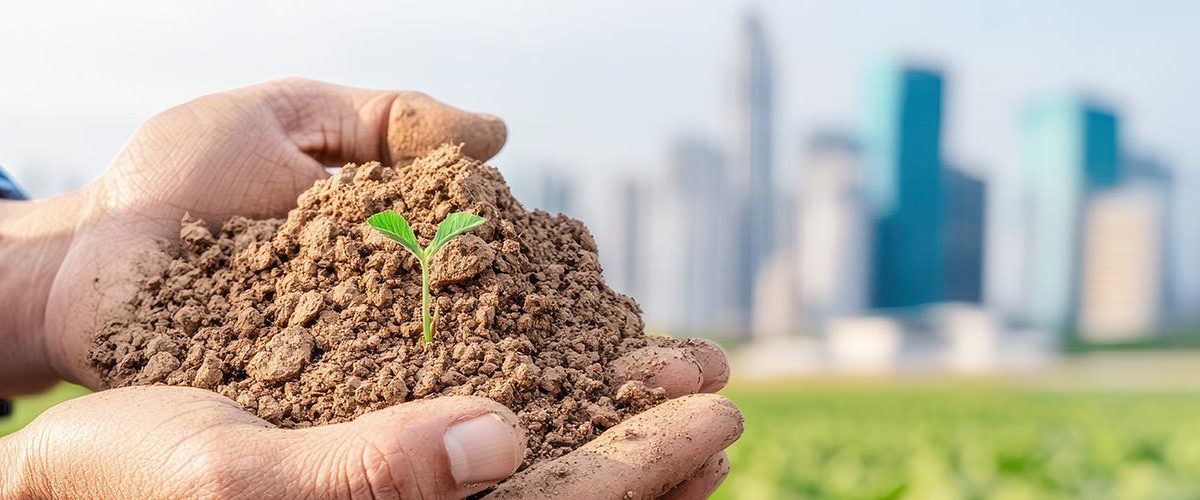
New Delhi, 05 Dec 2025 (ANN); World Soil Day 2025 draws attention to a critical yet often undervalued resource beneath our expanding urban landscapes: soil. With the theme “Healthy Soils for Healthy Cities,” this year’s observance emphasizes how urban soils underpin sustainability, resilience, and overall quality of life in cities around the world.
When people think about soil, rural fields and farmlands usually come to mind. Yet the United Nations (UN) stresses that city soils are equally vital. “Beneath asphalt, buildings, and streets lies soil that, if permeable and vegetated, helps absorb rainwater, regulate temperature, store carbon, and improve air quality,” the UN noted in its World Soil Day message.
“But when it’s sealed with cement, it loses these functions, making cities more vulnerable to flooding, overheating, and pollution.”
This year’s World Soil Day calls on individuals, communities, planners, and policymakers to rethink urban development from the ground up—transforming cities into greener, healthier, and more climate-resilient places.
Why Soil Matters More Than Ever
According to the UN, soils underpin nearly every aspect of human survival. More than 95 percent of the world’s food grows in soil, and of the 18 naturally occurring chemical elements essential for plant life, soil provides 15. Healthy soils regulate water cycles, filter pollutants, support biodiversity, and help stabilize the climate.
Yet climate change, erosion, pollution, and poor land management are degrading soils at an alarming rate. Soil erosion alone reduces water infiltration, disrupts ecosystems, and diminishes the nutrient content of crops—directly affecting food security, nutrition, and livelihoods.
Sustainable soil management is recognized as one of the most effective ways to reverse these trends. Such practices reduce erosion and contamination, improve water retention, enhance fertility, protect soil biodiversity, and increase carbon sequestration.
FAO Director-General: Urban Soil Health Is a Global Priority
FAO Director-General QU Dongyu emphasized that soil health is directly tied to human well-being—whether in rural farmlands or densely populated cities.
“World Soil Day reminds us that our foods, our health and our future depend on how we care for the health of soils — whether we live in rural areas or in cities,” he said. “We urge all partners to value and protect soils, restore them, and integrate soil health into policies and plans, to ensure Healthy Soils for Healthy Cities.”
With the global population expected to reach 10 billion by 2050—and roughly 70 percent projected to live in urban areas—urban soils face unprecedented pressures. Soil sealing, pollution, and unplanned city expansion threaten the ability of urban soils to provide essential ecosystem services. These challenges jeopardize not only urban food production, but also the rural systems that sustain billions.
QU Dongyu linked soil health to FAO’s vision of the Four Betters:
A. Better Production – Protecting fertile soils and supporting sustainable land and resource management for farmers and urban growers alike.
B. Better Nutrition – Healthy soils produce diverse, nutrient-rich crops that strengthen agrifood systems.
C. Better Environment – Soils store carbon, retain water, reduce erosion, and preserve biodiversity—key to helping cities withstand climate impacts.
D. Better Life – Greener, soil-rich cities offer cooler, cleaner, healthier environments that benefit both physical and mental well-being.
Why World Soil Day Is Celebrated
World Soil Day, marked every 5 December, raises global awareness of soil’s fundamental role in agriculture, ecosystem stability, climate regulation, and food security. It also serves as a call to sustainably manage soil resources.
The observance was formally endorsed by the Food and Agriculture Organization (FAO) and the UN General Assembly in 2014, following the leadership of the Kingdom of Thailand. Since then, the FAO’s Global Soil Partnership (GSP) has coordinated worldwide events, campaigns, and educational initiatives to promote soil protection and restoration.
________________________________________________________________________________________