



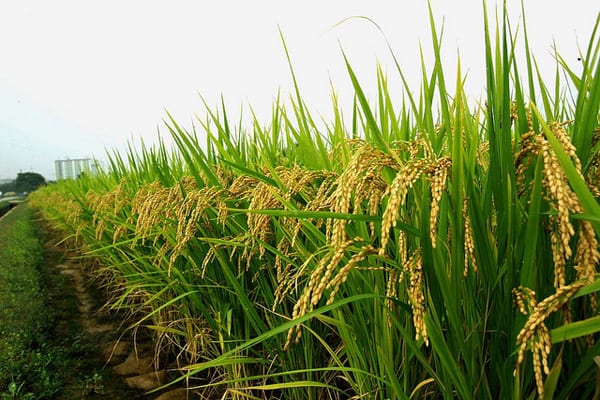
Chennai | ANN, 27 Jan 2026 ; The Tamil Nadu Rice Research Institute (TRRI), Aduthurai, recently showcased a new paddy variety, AD18145, during a field day event attended by students, scientists and farmers. The variety is being projected as a high-yielding, improved rice type with superior agronomic traits, including better growth performance and enhanced resistance to pests and diseases compared to existing varieties.
Addressing participants, TRRI Director K. Subrahmaniyan said popular varieties such as CR 1009 and ADT 51 were cultivated on nearly half of the samba season area in the Cauvery delta. However, CR 1009 was vulnerable to pest and disease attacks and prone to lodging during heavy rainfall, while ADT 51 tended to lodge when excess fertiliser was applied.
“To overcome these limitations, AD18145 has been developed as a short, bold-grain, high-yielding variety suitable for samba cultivation,” he said. The semi-dwarf variety matures in 145–150 days and features a sturdy stem, erect tillers and strong non-lodging characteristics.
The variety has been developed under the rice improvement programme at TRRI and is proposed for release as ADT 62. Researchers highlighted that its key advantages include higher yield potential and improved resilience, qualities considered crucial for rice farmers in the region.
TRRI regularly organises field days to demonstrate advancements in rice breeding and to familiarise farmers and other stakeholders with the performance of newly developed varieties under field conditions.
Rice remains a staple crop across Tamil Nadu, playing a vital role in the State’s agricultural economy and food security. While paddy cultivation continues to face challenges such as water scarcity, unseasonal rainfall and price fluctuations, research innovations and supportive government policies have helped stabilise production systems. State initiatives, including special cultivation packages, seed support and mechanisation schemes, have further strengthened farmer confidence.
The unveiling of AD18145 comes at a time when demand for improved rice varieties is growing, as farmers seek better returns and adaptability to changing climatic conditions. In recent years, state and national research institutions have accelerated efforts to develop climate-smart and stress-tolerant crop varieties to sustain productivity and promote sustainable farming practices.
___________________________________________________________________________________________