

Déjà vu: Not Just a Film, But a Question for the Nation

Editorial: Budget 2026 and Agriculture – Ambitions High, Assurances Low
February 2, 2026
Agriculture is the Silent Casualty of War
March 31, 2026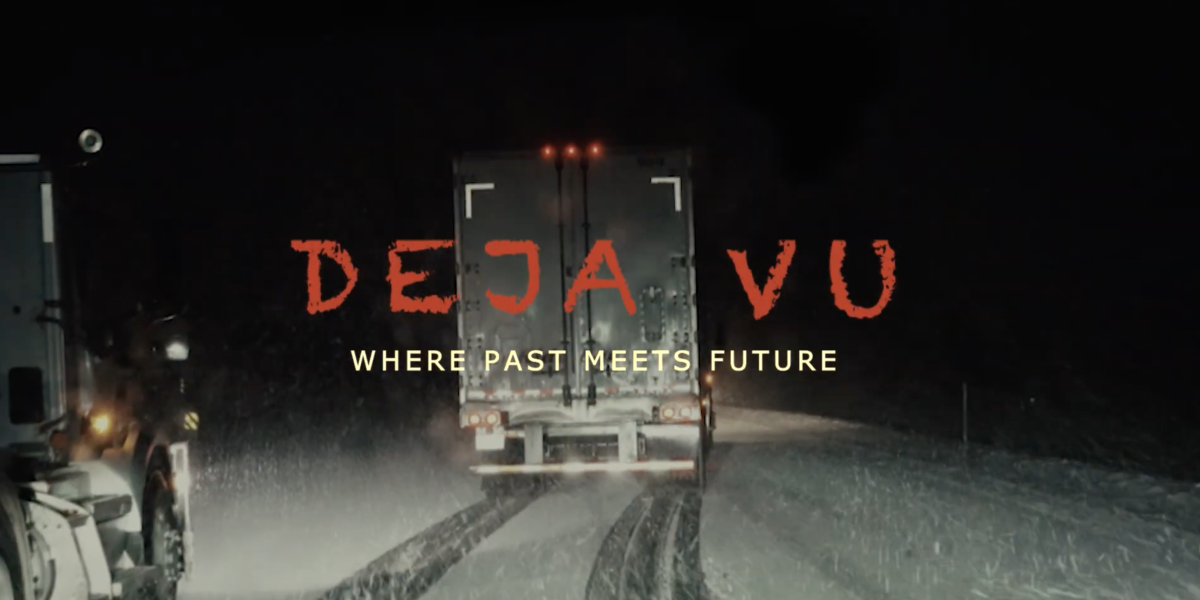
Nirmesh Singh | New Delhi, 20 March 2026;
Déjà vu, the one hour documentary by Bedab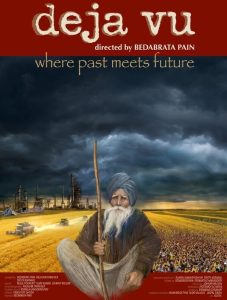 rata Pain, feels both timely and necessary. At a time when Indian cinema, theatre, and much of our writing have remained largely quiet on the deep and ongoing distress of farmers, this film chooses to listen, document, and present their reality with honesty. While films like Jolly LLB 3 and Jawan briefly touched upon the pain of farmers, Pain’s documentary stays with them, understands their struggles, and asks us to think more seriously.
Screened at the Press Club of India on Thursday, as part of the launch of its Film Club, Déjà vu sets a meaningful beginning for what such a space can become. It is not driven by spectacle or dramatic storytelling. Instead, it allows the lived realities of farmers to take centre stage. This is both its strength and its limitation. The lack of cinematic flourish gives it a strong sense of authenticity, but viewers used to faster and more dramatic narratives may find its pace slow. Yet this slowness feels intentional. It reflects the long and exhausting struggle that farmers continue to face.
What makes Déjà vu especially compelling is its comparative lens. The film looks at agricultural reforms in the United States since the 1980s and connects them with the recent debates around farm laws and attempts to corporatize agriculture in India. It shows that the consequences of corporatisation are not abstract ideas but lived realities. In the US, such policies led to rising debt, loss of land, and weakening of small farmers. By placing India in this wider context, the documentary becomes more than just a record of protests. It becomes a warning about repeating the same mistakes.
The film explains in a simple and accessible way why farmers in India were protesting and what their concerns were. It raises an important question about why the government appeared to push policies that farmers strongly opposed, especially when similar approaches had already failed elsewhere. It leaves the viewer wondering whether enough has been learned from history.
Another important issue the documentary highlights is the continuous struggle of farmers with meagre and stagnant earnings. The demand for a legal guarantee of Minimum Support Price still remains unresolved, and the film quietly shows how central this demand is for the survival of small and marginal farmers.
Director’s empathy is visible throughout. He presents farmers not as helpless victims or heroic figures, but as individuals dealing with market pressures, uncertain policies, and social challenges. Their resilience comes through in a quiet and powerful way. Some of the most moving moments in the film are not loud or dramatic, but found in silences, pauses, and expressions of uncertainty.
At the same time, the documentary is clearly political. It questions recent agricultural reforms and raises concerns about the growing role of corporates in farming. Some viewers may find its position one sided, but it is also true that farmers’ voices are often missing from larger public discussions. The film tries to correct that imbalance.
What stays with you after the film ends is a sense of incompleteness. The issues it raises are still unresolved. The concerns of farmers remain. This is not a weakness of the film but a reflection of reality. It pushes the viewer to think beyond the film and engage with these questions more seriously.
Déjà vu is not about cinematic brilliance. It is about economic justice, agricultural policy, and real lives. It does not offer easy answers or emotional closure. Instead, it asks for attention, for listening, and for reflection. It is a documentary that deserves to be watched widely, ideally in multiple Indian languages or with subtitles. More than anything, it asks a simple but important question. Is India truly caring for its farmers?
________________________________________________________________________________________________