

Editorial: Budget 2026 and Agriculture – Ambitions High, Assurances Low

Future Farming, Present Distress: What Budget 2026 Gets Wrong on Agriculture
February 2, 2026
Déjà vu: Not Just a Film, But a Question for the Nation
March 20, 2026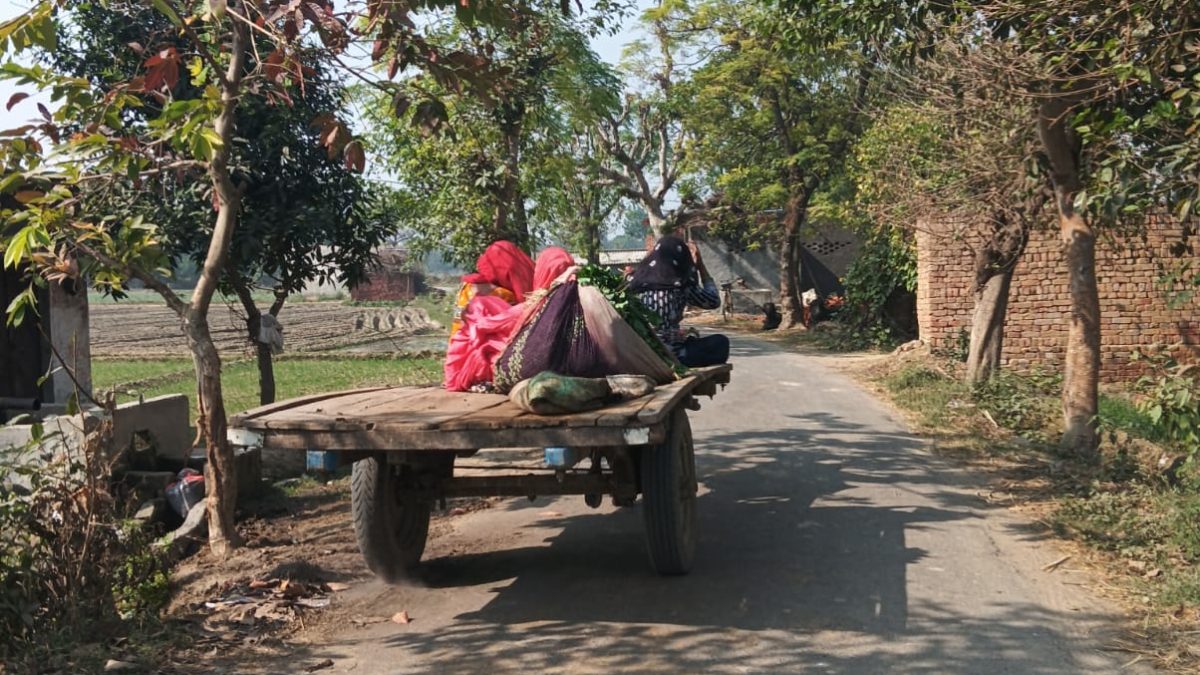
Despite promises of reform and technology, the budget ignores core farmer demands, sidelines women farmers, and overlooks Economic Survey warnings.
02 Feb 2026: The Union Budget 2026–27 was presented as forward-looking, aimed at growth and inclusive prosperity. Yet in agriculture, the backbone of India’s rural economy, it emerges less as relief for distress and more as a reiteration of the government’s preferred policy narrative, disconnected from the immediate realities of farmers.
The budget modestly increases allocations for agriculture and allied sectors, but the rise barely keeps pace with inflation and the increasing costs of fertilisers, diesel, seeds, and labour. In an agrarian economy facing climate shocks and market volatility, such marginal increases fall short of the support that small and marginal farmers urgently need.
Equally concerning is the emphasis on long-term reforms over immediate relief. The budget highlights crop diversification, high-value agriculture, and digital advisories. While these may have long-term merit, smallholders lack the capital, risk capacity, and access to markets to benefit. Digital tools and futuristic schemes cannot substitute for assured incomes, affordable credit, and price stability.
Budget 2026 also ignores several recommendations of the Economic Survey, which highlighted stagnant real farm incomes, rising climate risks, and regional productivity gaps. The Survey stressed the need for stronger risk mitigation, greater public investment in research, and better income support. The absence of these measures underscores the gap between analysis and policy.
The budget’s silence on the United Nations’ declaration of 2026 as the International Year of the Woman Farmer is striking. The UN aims to highlight the contributions of women in agriculture and promote policies addressing their limited access to land, finance, technology, and decision-making. Women farmers are central to India’s food production, yet the budget offers no targeted allocations for land rights, credit access, or asset ownership. This omission signals a disconnect between global development priorities and national policy.
Core farmer demands remain unaddressed. There is no legal guarantee for Minimum Support Price, leaving most farmers exposed to market fluctuations. PM-Kisan payments remain ₹6,000 per year, whose real value has eroded due to inflation. Debt relief and comprehensive crop insurance continue to be inadequate, leaving farmers vulnerable to indebtedness and climate risks.
By prioritizing fiscal continuity and long-term reform over immediate income security, the government risks prolonging rural distress and distrust. Reforms that do not address real vulnerabilities may maintain macroeconomic stability but fail to build confidence among the people who feed the nation.
In ignoring both the Economic Survey’s warnings and the UN’s call to empower women farmers, the Union Budget 2026 reveals its central flaw: aspiration without assurance. Without stronger income guarantees, robust risk protection, and gender-inclusive measures, the promise of agricultural transformation remains aspirational, not a reality, for India’s farmers.
_______________________________________________________________________________________________