

Agriculture is the Silent Casualty of War

Déjà vu: Not Just a Film, But a Question for the Nation
March 20, 2026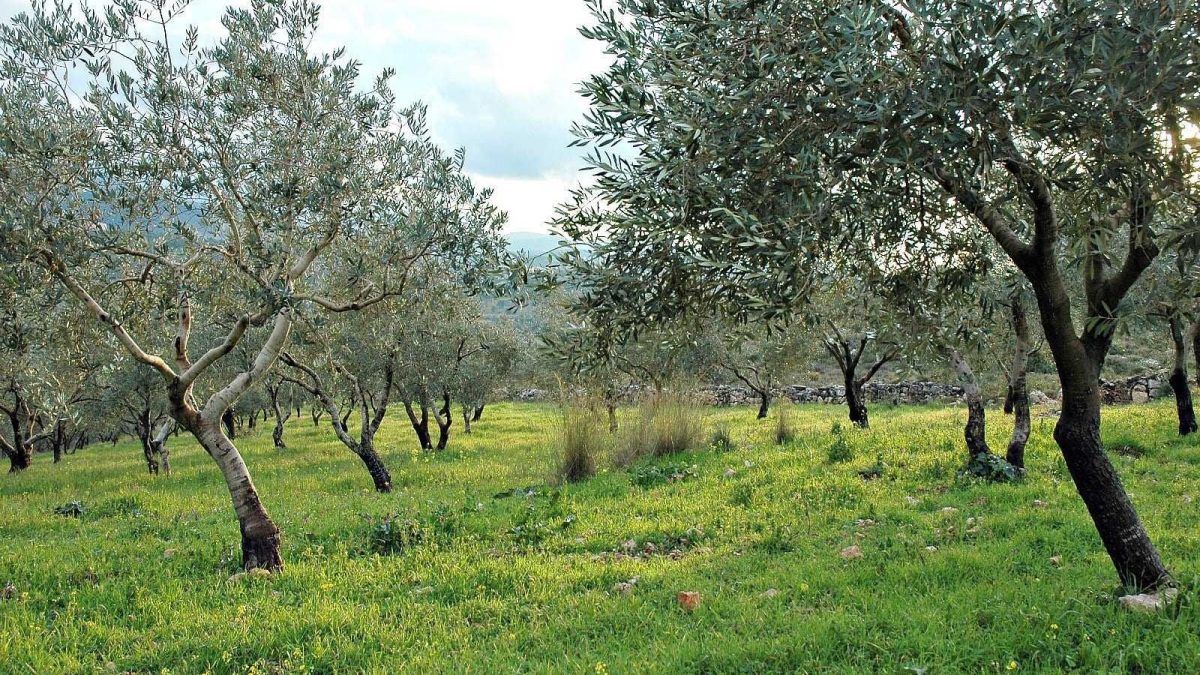
War devastates not only lives and cities but also the land that sustains them, leaving farmers displaced and food systems in crisis
Editorial | 31 March 2026
We forget, and rarely acknowledge, that wars also destroy agriculture and farmers. Wars are often narrated through the language of geopolitics, strategy, and national security, but their most enduring damage is frequently inflicted far from the battlefield, on the land that sustains life itself. The recent escalation between Israel and Lebanon in the ongoing Israel–US–Iran conflict offers a stark reminder that agriculture, the backbone of civilian survival, is becoming an unspoken casualty of modern conflict.
Some reports suggest that Lebanon has lost approximately 46,479 hectares of agricultural land, with about 22 per cent of the country’s total arable area damaged in these continuous attacks from Israel. The destruction is not evenly distributed. It is heavily concentrated in Lebanon’s agricultural heartlands, particularly the South and Nabatieh provinces, where over 44,000 hectares have been affected. These are not just numbers. They represent orchards that took decades to mature, olive groves tied to cultural identity, and greenhouses that ensured year-round food production.
The targeting, whether deliberate or incidental, of fruit and olive trees, irrigation systems, and small to medium-sized farms has consequences that extend far beyond immediate economic loss. Trees cannot simply be replanted and expected to yield in the short term. Many require years, even decades, to become productive. In this sense, the destruction is not temporary. It mortgages the future.
Equally alarming is the human toll behind these figures. Of the 15,025 farmers in the affected regions, over 76 per cent have been displaced. This mass displacement disrupts not only current agricultural cycles but also generational knowledge systems. Farming is not merely labour. It is an accumulation of local expertise, seasonal rhythms, and ecological understanding. When farmers are uprooted, that knowledge risks being lost or fragmented, further weakening recovery prospects.
This pattern is not unique to Lebanon. Across conflict zones, including tensions involving Iran, agriculture consistently emerges as a silent victim. Fields become battlegrounds, water systems are damaged, and supply chains collapse. Yet these impacts rarely command the same global attention as troop movements or diplomatic manoeuvres.
The implications for food security are profound. When agricultural land is destroyed, local food production declines, increasing dependence on imports at a time when economic systems are already under strain. Prices rise, access diminishes, and the most vulnerable populations bear the brunt. In a region already grappling with political fragility and economic uncertainty, such shocks can deepen humanitarian crises and prolong recovery timelines.
What makes this neglect particularly troubling is its preventability. International humanitarian law includes provisions to protect civilian infrastructure, including agricultural resources. However, enforcement remains inconsistent, and accountability is often elusive. The absence of sustained global scrutiny allows such damage to persist as a normalised by-product of war.
If food is the foundation of life, then agriculture must be treated as critical infrastructure, not collateral damage. Policymakers, international organisations, and media institutions need to expand the lens through which war is analysed. The destruction of farmland should be documented, debated, and addressed with the same urgency as other wartime atrocities.
Ultimately, rebuilding a nation is not just about reconstructing cities or restoring political order. It is about reviving the soil that feeds its people. Ignoring the agricultural dimension of war risks prolonging suffering long after the guns fall silent.
__________________________________________________________________________________